

Russian Chess House publishes a run of books under the name Chess School, numbered 1a, 1b, 2, 3, 4, 5 and 6. The numbering suggests one ladder from beginner to master. It is only partly that. Four of the books form a single tactics course, one is an endgame manual, and the other two are separate tactics collections by different authors.
So the useful question is not which order to read them in. It is where you should start, and which of the books you need at all.
The books at a glance
| Book | Author | What it is | Publisher’s level |
|---|---|---|---|
| 1a | Sergey Ivashchenko | 700+ tactics problems | about 900 to 1200 |
| 1b | Sergey Ivashchenko | 600+ tactics problems | about 1200 to 1500 |
| 2 | Sergey Ivashchenko | combinations from master games and studies | from about 1600 toward 2200 |
| 3 | Alexander Mazia | 750 calculation exercises | about 2000 to 2400 |
| 4 | Sarhan Guliev | 600+ endgame positions | a different subject, not a level |
| 5 | N. Zhuravlev, J. Klovans, G. Kuzmichev | 400 tactics exercises | not stated |
| 6 | Maxim Blokh | 1,200+ combinations by topic | amateurs through masters |
The rating ranges are the publisher’s own, given in Elo. Treat them as a rough guide rather than a placement test.
Where to start
If you are new to tactics, or rated under about 1200, start with 1a. If mate in one and winning a loose piece are already routine for you, start with 1b. Players who report back on chess forums tend to recommend 1a, 1b and then 2 as a tactics path, and some add that stronger players can skip the first two books altogether.
Starting a step too low costs you a few easy evenings. Starting too high is how these books end up abandoned halfway through.
1a and 1b: one course in two books
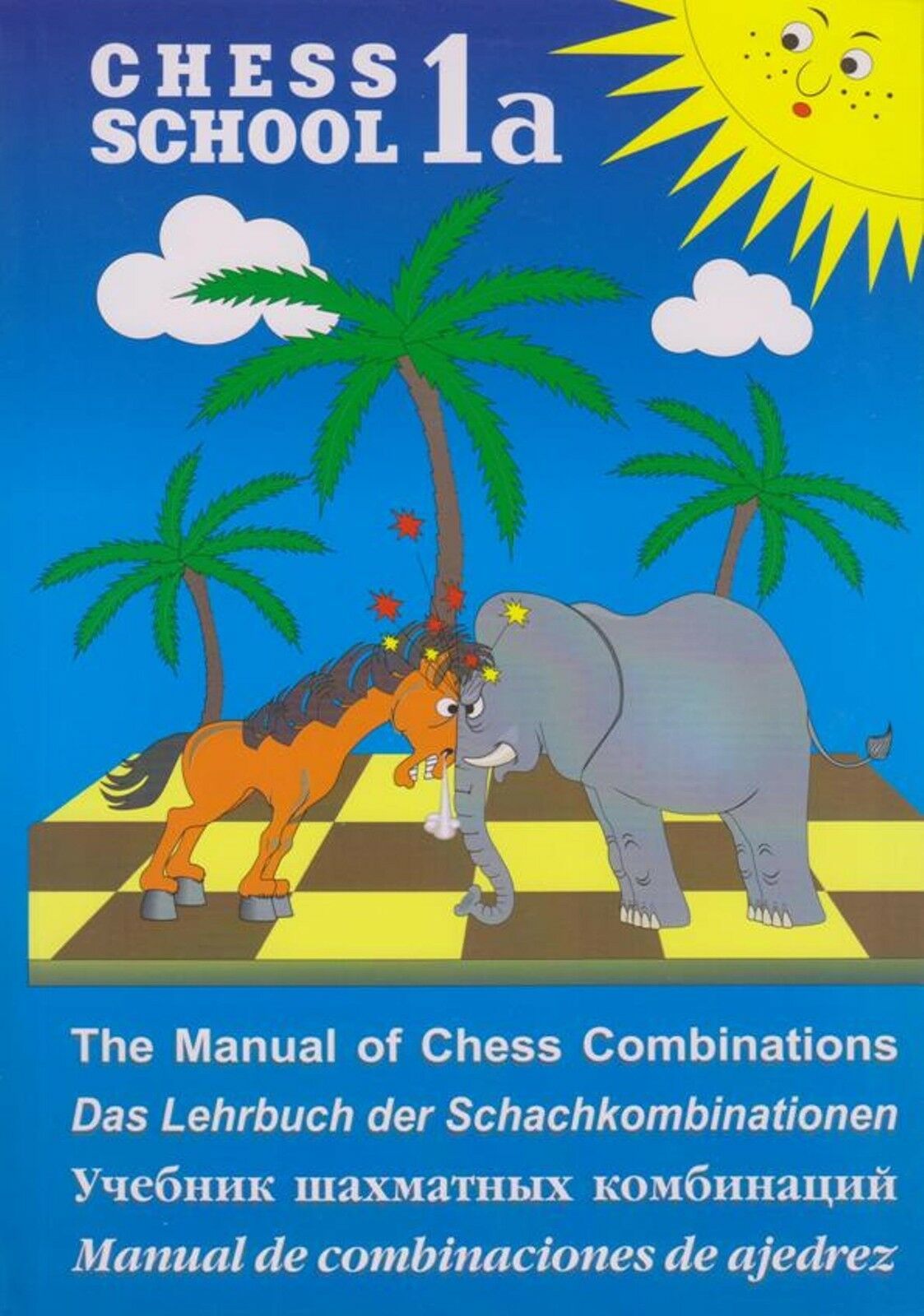
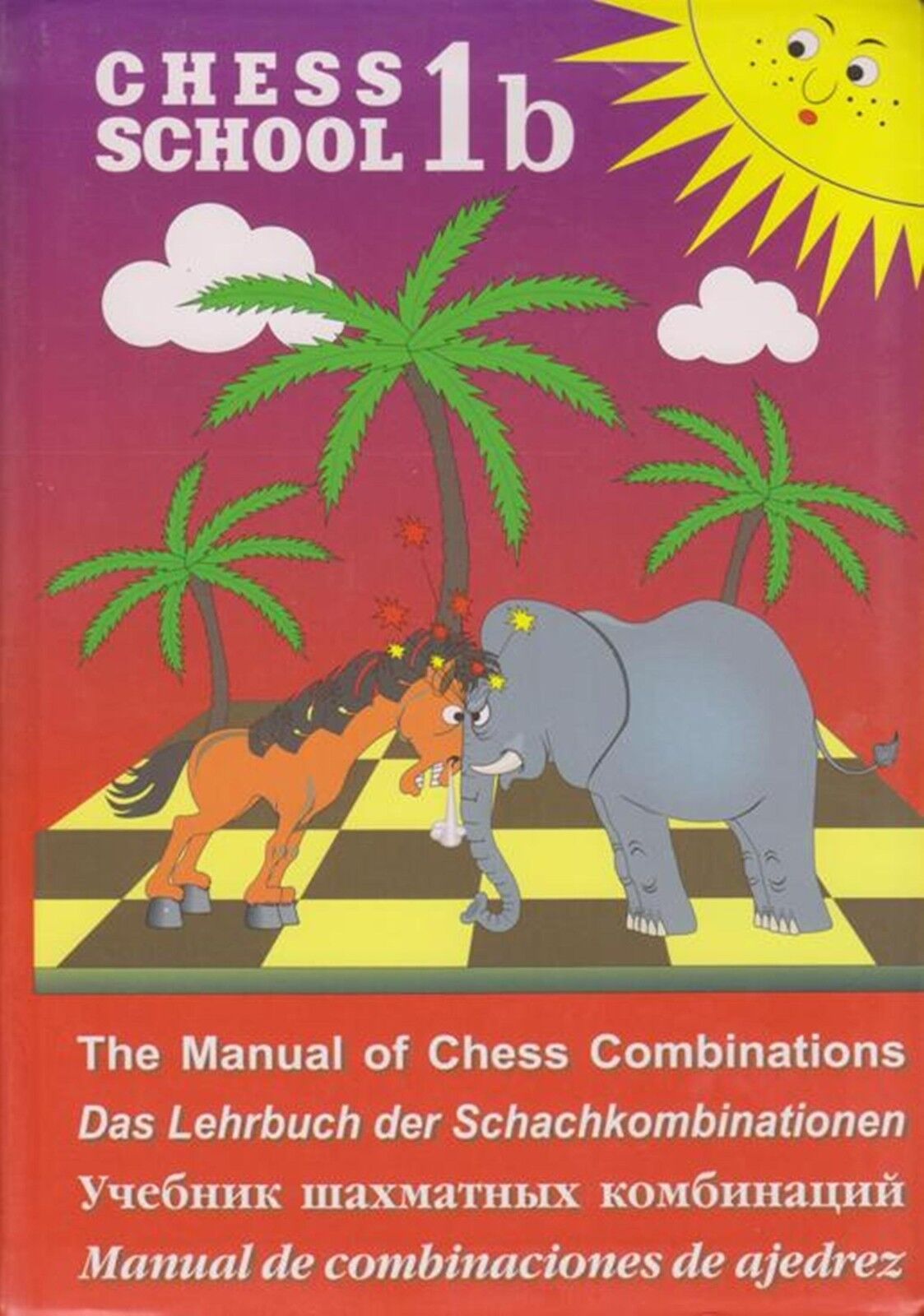
Chess School 1a and Chess School 1b
Sergey Ivashchenko. These are the two halves of his Manual of Chess Combination, Volume 1: about 1,300 positions between them, numbered straight through, starting with mate in one and sorted by theme and difficulty. It is a new edition of Ivashchenko’s Soviet-era manual; his books sold over 200,000 copies in the USSR in the late 1980s. The introduction suggests solving between 6 and 30 positions per lesson, and it was written so that a teacher can plan a class around every student having a copy.
These are problem books, not textbooks. If you have not met the fork, the pin and the skewer yet, a book that explains them first is a better start. Our tactics guide covers those.
Volume 2: the jump to master games
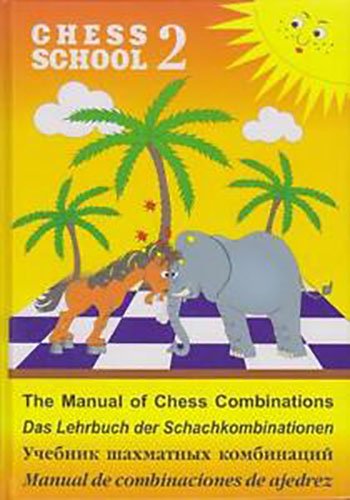
Sergey Ivashchenko. The second volume of the same manual. The positions now come from master games and composed studies, and the publisher pitches it at players of about 1600 to 1700 working toward 2200. It is a real step up from 1b. If the last section of 1b was still a struggle, finish that first.
Volume 3: calculation, by a different author
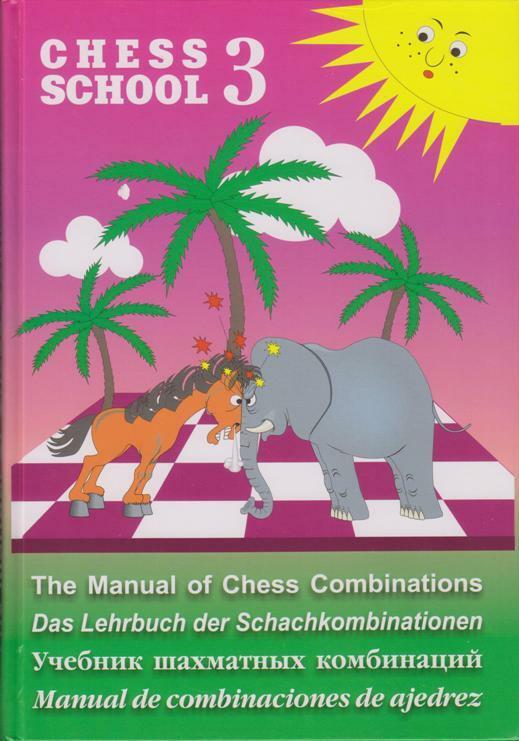
International Master Alexander Mazia, who has headed the chess school at the Moscow Pioneers Palace since 1992. Volume 3 carries the same title as the Ivashchenko books, but its emphasis is calculation: 750 positions grouped into short variations, long forcing lines, choosing candidate moves, accounting for the opponent’s resources and unusual solutions, with the solutions at the back. The publisher aims it at players rated 2000 to 2400. Most club players will get more from finishing Volume 2.
Volume 4: endgames, not the next level
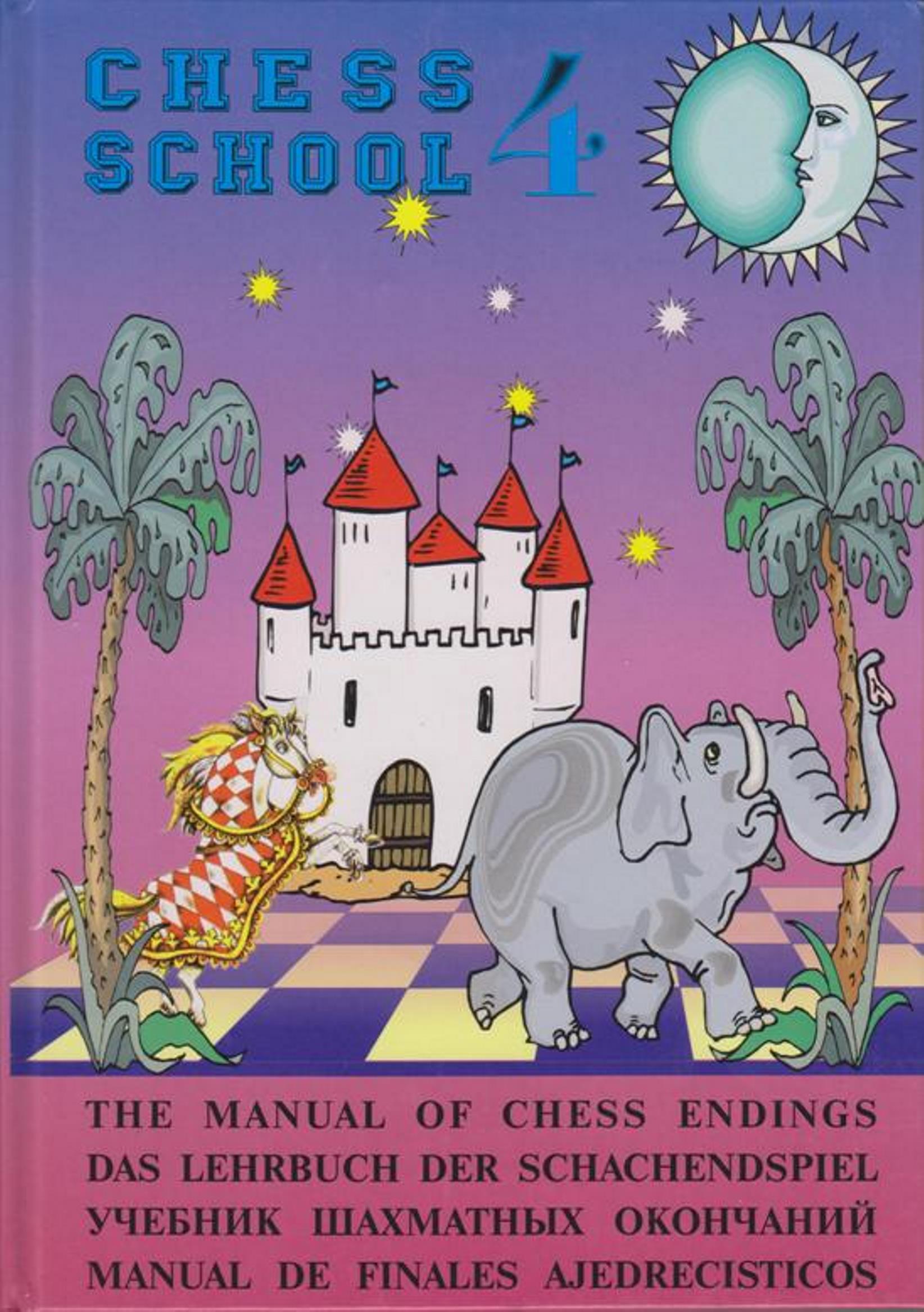
Chess School 4: Manual of Chess Endings
Sarhan Guliev (2003). Over 600 endgame positions: pawn endings, knight and bishop endings, bishop against knight, mating with the minor pieces, rook and queen endings, and some unusual material balances. Each section is a set of positions to solve, with the solutions at the back. The number 4 does not mean it follows Volume 3. It is a separate subject, and there is no need to finish the tactics books first. For other endgame books, see our endgame guide.
Chess School 5: a short tactics workbook
Chess School 5: Chess Nuts, 400 Tactical Exercises. Nikolai Zhuravlev, Janis Klovans and G. Kuzmichev (Russian Chess House, 2021). A softcover of 120 pages, compiled by a team of masters and trainers. Its aim is to develop combinational vision through systematic practice on typical combinations, and the publisher says it also lets a player judge their own level of combinational skill. It is recommended for chess schools and for individual work, but the publisher gives no rating range, so we have left that column open. We do not currently stock it.
Chess School 6: a separate collection
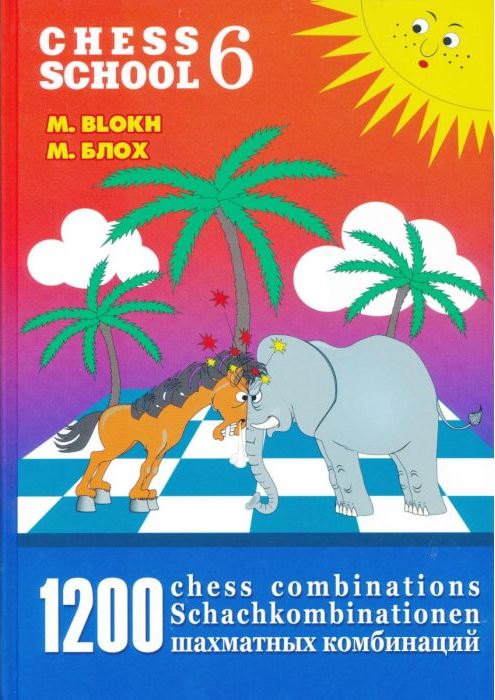
Chess School 6: 1200 Chess Combinations
Grandmaster Maxim Blokh (2022). Over 1,200 combinations from real games and composed examples, arranged by topic, including more than 200 positions Blokh composed himself. The publisher addresses it to young and adult amateurs and to masters alike. It is not a continuation of the Ivashchenko course, so it can be used on its own.
A note on other “Chess School” books
Several unrelated books use the same name. The most likely to cause confusion is Slobodan Mirkovic’s numbered Chess School series, published in Serbia. It has its own Chess School 5, which is not the book described above. If you are searching for these books elsewhere, check that the author matches.