


The Sicilian is not one opening. After 1.e4 c5 there are a dozen systems that share almost nothing beyond the first move, and a book on one of them will not help you in another. So the question is never which Sicilian book to buy. It is which Sicilian you are playing, and that decision comes first.
The part that catches people out
A Sicilian repertoire is two purchases, not one. In roughly a third of games White declines the Open Sicilian and plays the Alapin, the Rossolimo, a Grand Prix setup or something quieter. Your book on the Taimanov or the Sveshnikov will have nothing to say about any of it. Budget for a main book and an Anti-Sicilian book from the start, or you will be improvising in a third of your games.
Choosing your Sicilian, as Black
Ordered roughly from most theory to least.
The Najdorf is the sharpest and the most demanding, and it has its own guide: the Najdorf books. Start there if that is the direction you are heading.
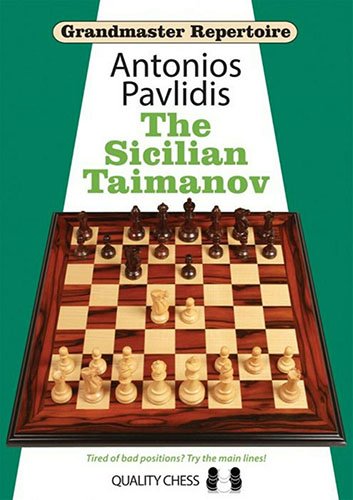
Grandmaster Repertoire: The Sicilian Taimanov
Antonios Pavlidis (Quality Chess, 2019). The Taimanov, 2.Nf3 e6 3.d4 cxd4 4.Nxd4 Nc6, is the most common recommendation for a player who wants a real Sicilian without the Najdorf’s memorisation load. This is the thorough modern treatment. It is still a Quality Chess repertoire book, so thorough means long.
There is a 16-page sample on the product page.

Adrien Demuth (Thinkers Publishing, 2021). The Kan, 4…a6, is the lightest-theory way into a genuine Sicilian, and Demuth is explicit that this is the appeal. The trade is that Black often gets a flexible but slightly passive position, and you win by outplaying people rather than by preparation.
There is a 16-page sample on the product page.

Scheveningen Sicilian Revisited
Daniel Gormally (Thinkers Publishing, 2024). The newest Sicilian book on the shelf, on the small-centre structure with pawns on d6 and e6. The structure is famously flexible and famously easy to handle badly, so this suits someone who wants to learn a pawn formation rather than a move order.
There is a 16-page sample on the product page.
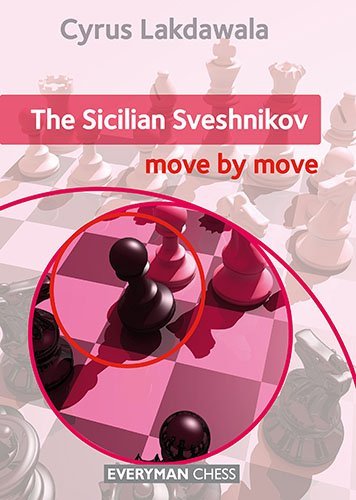
Sicilian Sveshnikov: Move by Move
Cyrus Lakdawala (Everyman Chess, 2016). The Sveshnikov concedes a structural weakness on d5 in return for piece activity, which is either your idea of fun or not. The Move by Move format asks you questions as you read, which slows you down on purpose. Ten years old now, and the Sveshnikov has moved on, so check the critical lines.
There is a 16-page sample on the product page.
Two sidelines worth knowing about if you want something your opponent has not seen: the O’Kelly (Thinkers, 2023) and the Kalashnikov (Chessable, 2022). Both are legitimate and both are chosen mainly for surprise value. Neither is the one to build a twenty-year repertoire on.
Answering the Anti-Sicilians, as Black
The second half of the repertoire. Three options, and they differ in scope rather than quality.

Efstratios Grivas (Thinkers Publishing, 2022). A complete Black answer to the Anti-Sicilians, system by system, and the most recent of the three. The one to take if you want a single volume that covers everything White might try.
There is a 16-page sample on the product page.

Grandmaster Repertoire 6A: Beating the Anti-Sicilians
Vassilios Kotronias (Quality Chess, 2015). Deeper than Grivas and correspondingly harder work, written for a player who intends to meet the Anti-Sicilians with an edge rather than just equality. Ten years old, which matters more in the sharp lines than the quiet ones.
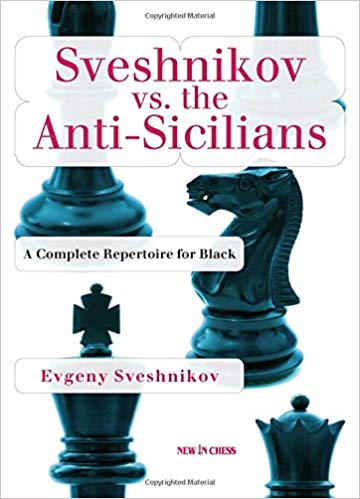
Sveshnikov vs the Anti-Sicilians
Evgeny Sveshnikov (New in Chess, 2015). Narrower than the other two, built around the author’s own practice. Good if his recommendations suit your style and limiting if they do not, so read the sample before committing.
There is a 14-page sample on the product page.
Playing against the Sicilian, as White
Here the real decision is whether you are willing to learn the Open Sicilian at all.
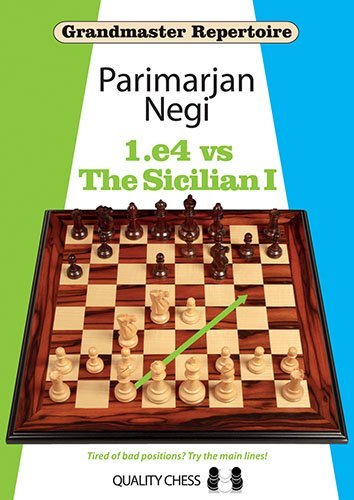
Grandmaster Repertoire: 1.e4 vs the Sicilian I
Parimarjan Negi (Quality Chess, 2015). The serious answer, an Open Sicilian repertoire at grandmaster depth. The caveat is substantial and worth stating plainly: this is volume one of three, and you need the others for full coverage. Volume III is currently out of stock. Take this on only if you mean it.
There is a 15-page sample on the product page.
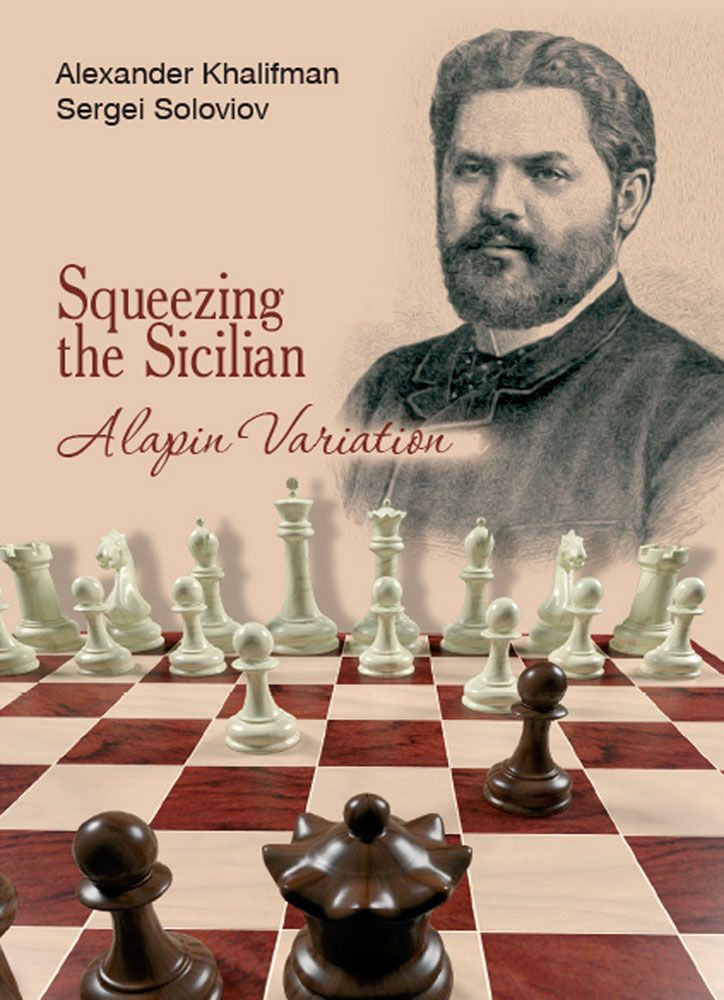
Squeezing the Sicilian: The Alapin Variation
Alexander Khalifman and Sergei Soloviov (Chess Stars, 2020). The Alapin, 2.c3, is the best-regarded way to avoid the Open Sicilian without playing something dubious. White builds a centre and plays a normal game of chess. Strong players will equalise against it; most of your opponents will not.

The Modernized Anti-Sicilians, Volume 1: Rossolimo
Ravi Haria (Thinkers Publishing, 2020). The Rossolimo, 3.Bb5, has become the top players’ preferred way to sidestep the main lines, and this volume argues against treating Anti-Sicilians as the lazy option. There is a second volume on the Moscow Variation if you want the full system.
There is a 16-page sample on the product page.
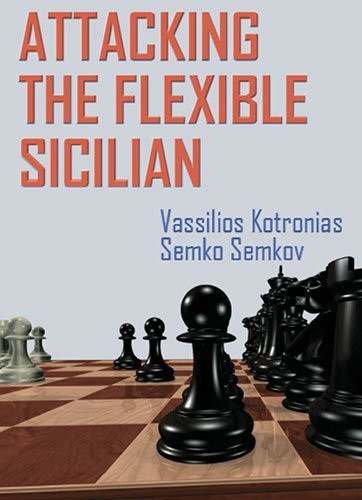
Attacking the Flexible Sicilian
Vassilios Kotronias and Semko Semkov (Chess Stars, 2017). Narrow by design: a White repertoire against 2…e6 specifically, the move order that keeps Black’s options open. Useful as a supplement, not as a whole repertoire.
There is a 12-page sample on the product page.
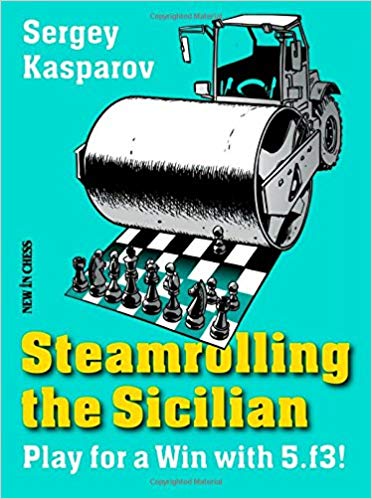
Sergey Kasparov (New in Chess, 2013). Play for a win with 5.f3, a surprise system aimed at players who are outbooked in the main lines. The oldest recommendation here and the most situational. Treat it as a weapon to have, not a repertoire.
There is a 10-page sample on the product page.
Understanding the positions
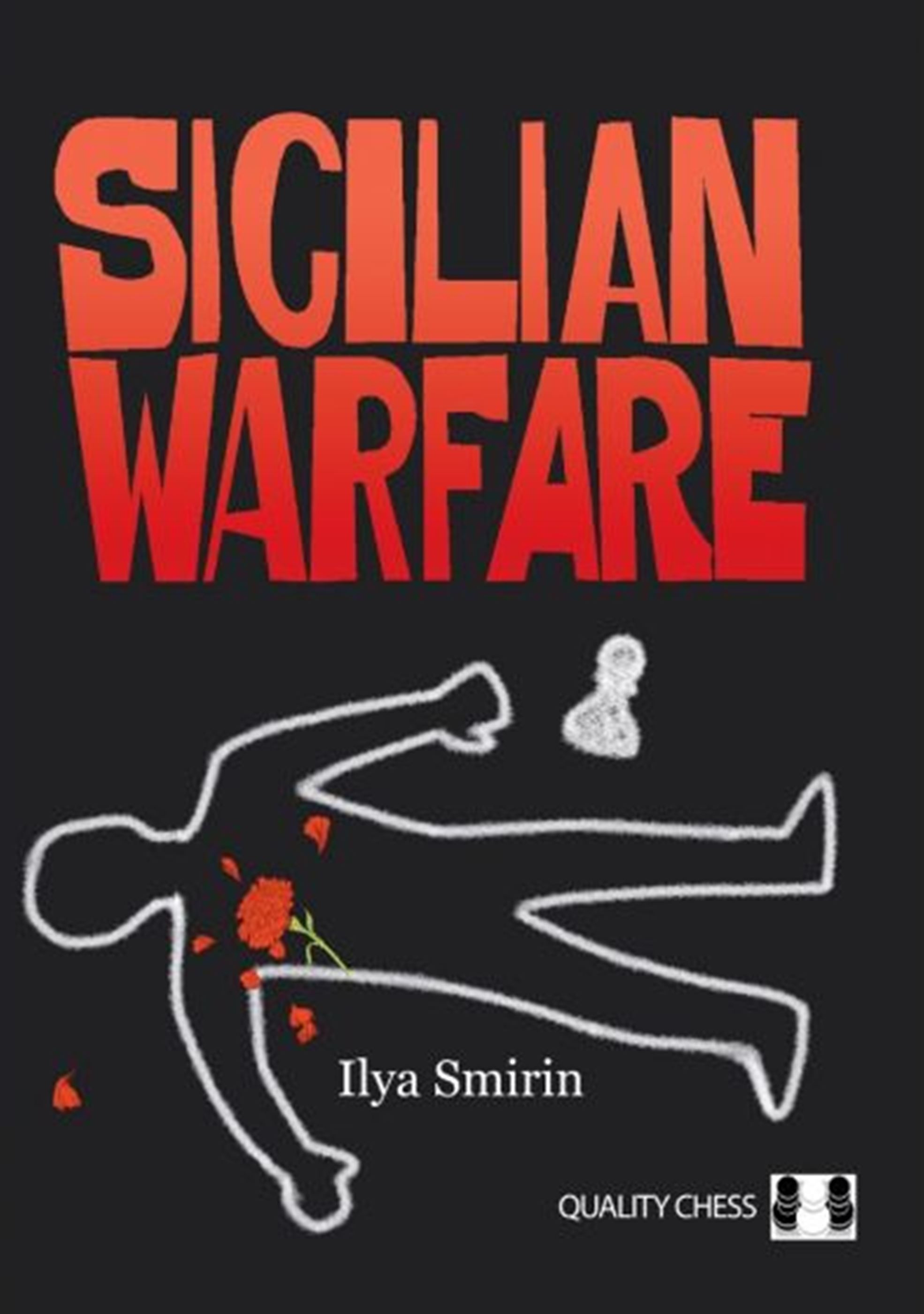
Ilya Smirin (Quality Chess, 2020). Not a repertoire and not tied to any one variation. Smirin annotates his own games from both sides of the Sicilian and explains what the structures actually demand. This is the book that makes the others make sense, and it is the one most often skipped.
There is a 12-page sample on the product page.
Where to start
As Black, pick your system first and buy two books: the Taimanov or the Kan if you want a real Sicilian without living in theory, plus the Anti-Sicilian Bible. If you are drawn to the Najdorf, read that guide instead.
As White, be honest about your study time. If you will not learn the Open Sicilian properly, the Alapin or the Rossolimo will serve you better than a half-learned main line. If you will, Negi is the standard and you should plan on more than one volume.
Either way, Sicilian Warfare is the one to read alongside whatever you choose.