

Almost every chess player owns a puzzle book, and most of them are not getting much out of it. The usual pattern is to solve twenty positions in a sitting, get most of them, and improve very slowly. The reason is that a puzzle book has already told you the most valuable thing, which is that a tactic exists here. In your own games nobody tells you that.
So the useful question is not which puzzle book has the most positions. It is which stage you are at.
If you do not know the patterns yet
Before volume there has to be vocabulary. Fork, pin, skewer, deflection, decoy, and the mating nets. Two short books do this properly.
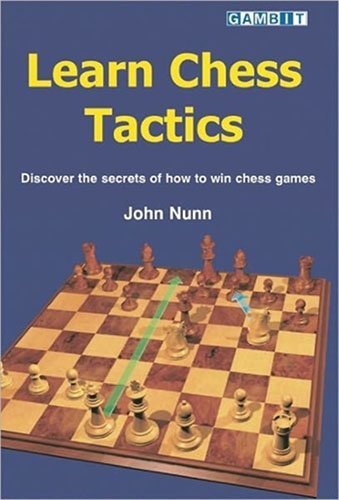
John Nunn (Gambit, 2003). Teaches the named devices one at a time with worked examples before asking you to find them. Old, but tactical patterns are the one part of chess that does not date. Short, and deliberately so.
There is a 3-page sample on the product page.
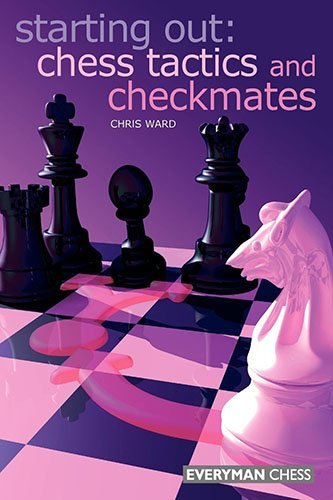
Starting Out: Chess Tactics and Checkmates
Chris Ward (Everyman Chess, 2006). Covers the same ground more conversationally and takes the reader from knowing the moves to knowing what to look for. If you find Nunn terse, take this instead. There is little point owning both.
A graded course, if you want structure
The Russian school approach: hundreds of positions ordered so that the difficulty climbs gradually and the patterns repeat until they stick. Less exciting than a book of brilliancies and considerably more effective.
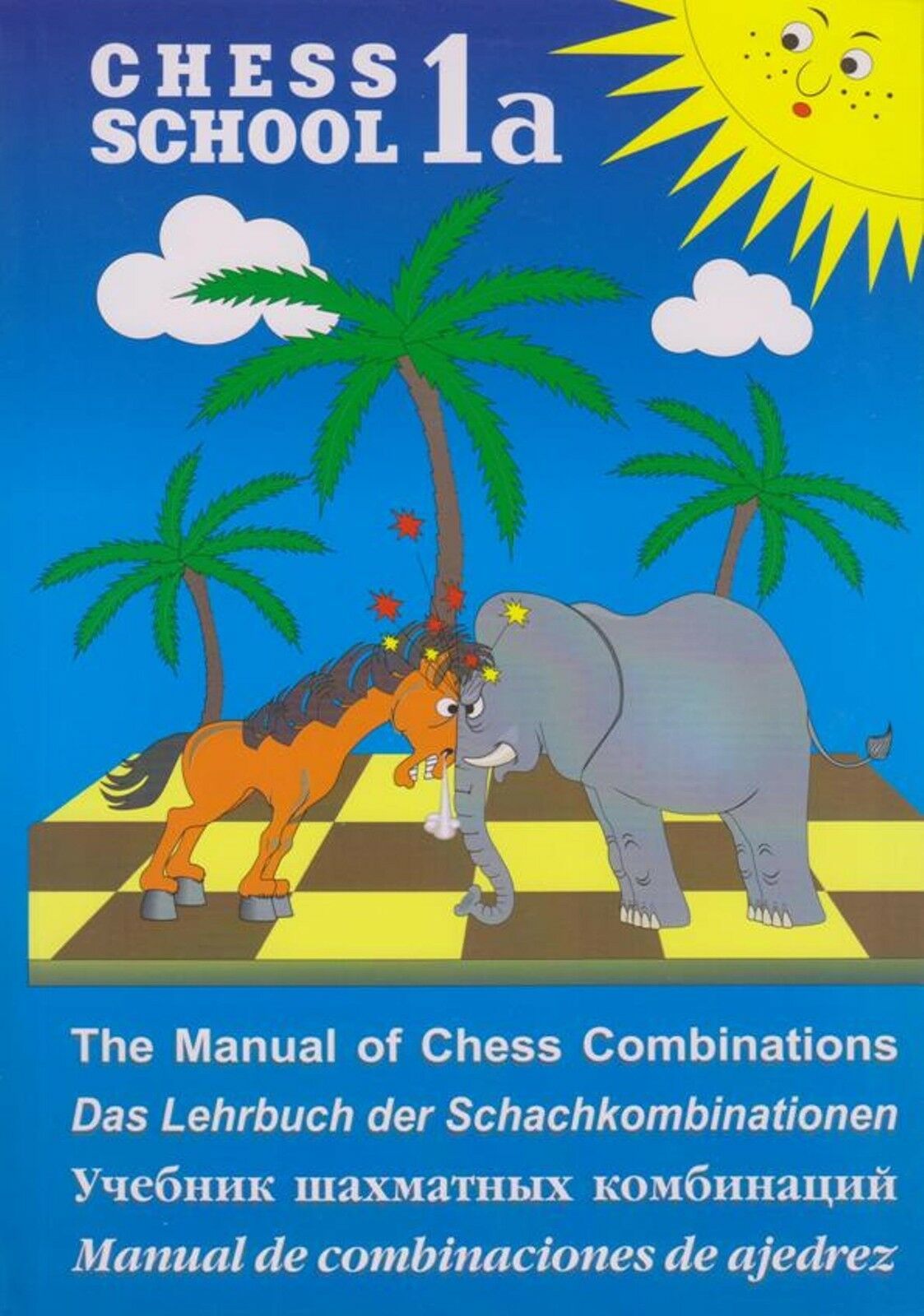
Chess School: Manual of Chess Combination 1a
Sergey Ivashchenko (Russian Chess House). The entry volume of the series that sold over 200,000 copies in the Soviet Union. Positions only, almost no prose, which is either a feature or a problem depending on whether you want to be taught or drilled. Continues with 1b and beyond.
Training, as opposed to solving
The distinction is real. These are built as programmes with an intended order and a method, not as collections to dip into.
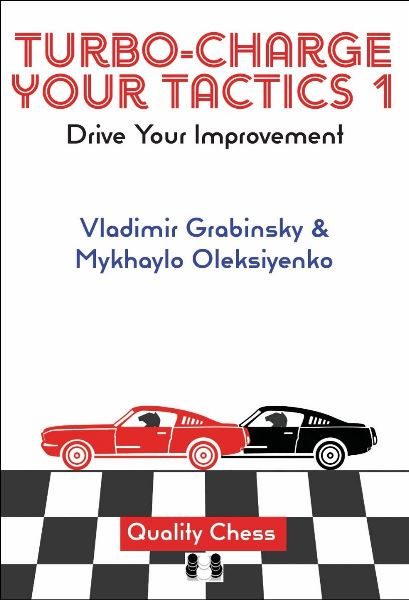
Mykhaylo Oleksiyenko and Vladimir Grabinsky (Quality Chess, 2024). A puzzle book built deliberately against the usual failings of puzzle books, from a grandmaster and his trainer. The positions are harder than they look and the book expects you to sit with them rather than flick to the answer.
There is a 16-page sample on the product page.
The concluding volume (Quality Chess, 2024). Buying volume 2 without volume 1 makes little sense, so treat this as a two-book commitment.
There is a 16-page sample on the product page.
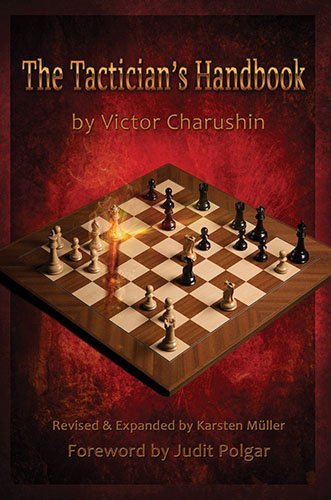
Karsten Müller (Russell Enterprises, 2016). Organised by tactical theme rather than by difficulty, which makes it the one to use when you want to drill a specific weakness rather than solve at random. A revised and expanded edition of five older single-theme books.
There is a 12-page sample on the product page.
The skill nobody sells you a book for
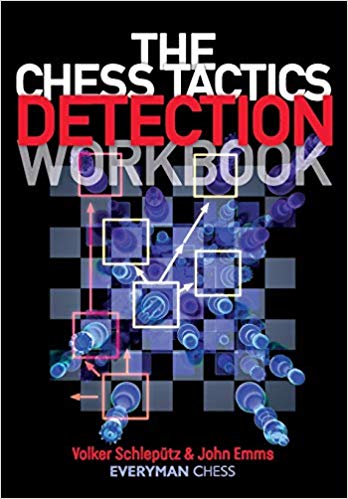
Chess Tactics Detection Workbook
Volker Schleputz and Jonathan Hilton (Everyman Chess, 2015). The one book here that addresses the problem in the opening paragraph directly: it presents positions without telling you whether a tactic is available, so you have to decide. It is less satisfying than a normal puzzle book, which is rather the point.
Volume, once the patterns are in place
At this stage more positions genuinely do help, and the differences between these are about format and taste rather than quality.

Yakov Vladimirov (Quality Chess, 2024, 376 pages). Mating problems assembled by a composer, so they are elegant rather than practical. Beautiful, and further from the kind of position you will meet on a Tuesday evening than the others here.
There is a 16-page sample on the product page.
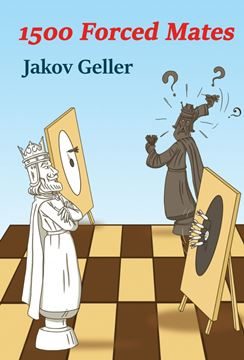
Jakov Geller (Elk and Ruby, 2021, 361 pages). Built entirely on forced mating combinations and computer-checked for soundness. Narrow by design: this trains you to finish games, not to win material.
There is a 13-page sample on the product page.
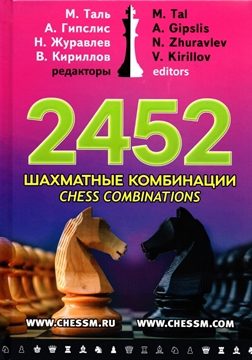
Russian Chess House, 2024. Drawn from the Soviet magazine Chess, published in Riga. The largest collection here and the most old-fashioned in presentation. Good value per position and no hand-holding at all.
Attacking, which is where tactics come from
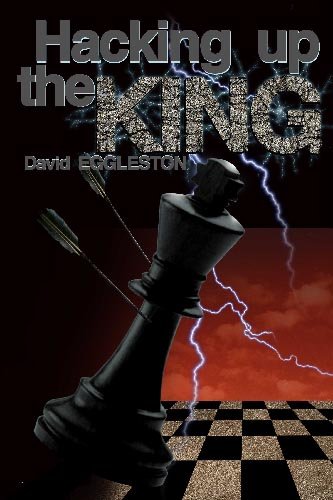
David Eggleston (Mongoose Press, 2014). The argument of the book is that you cannot learn to attack from guidelines alone, so it is built on hard work over real positions. Sits between a tactics book and a middlegame book, and is the natural next step once individual combinations have stopped being the problem.
There is a 9-page sample on the product page.
Where to start
If you are new, buy one of Nunn or Ward and nothing else until you have finished it. If you know the patterns and want to get properly better, the honest pairing is Turbo-Charge Your Tactics 1 for method and the Detection Workbook for the skill that puzzle books quietly skip. If you already train seriously and simply want more positions, take whichever of the large collections suits your taste, because at that point volume is the point.