

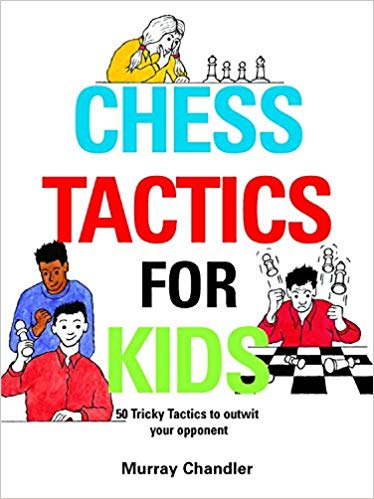
Chess enthusiasts of all ages and levels will find this book an instructive delight. In a simple, easy-to-understand format it explains how to bamboozle your chess opponents using commonly occurring tactical motifs. The illustrative positions, all taken from real games, show the 50 Tricky Tactics that experienced chess masters use to win their games. Recognising frequently-occurring tactical ideas is vital to success in chess. One of the fastest and most enjoyable ways to improve at chess is by learning these thematic manoeuvres. Beginners will benefit from the clear explanation of basic concepts, such as how to utilise a fork, pin, or skewer. Advanced players will delight in the many devious middlegame tricks – some classified here for the first time – which can catch out even grandmasters. Chess Tactics for Kids makes improving easy and fun, and is full of helpful explanations on how to approach chess games with confidence – and success.
About the Author
Grandmaster Murray Chandler finished second in the World Cadet Championship in 1976, ahead of Garry Kasparov, whom he defeated in their individual game. He remains to this day one of the few players in the world with a 100% score against Kasparov. He was a key member of the England team that won the silver medals in Chess Olympiads three times during the 1980s, and went on to captain the team in 1994. He is a former proprietor and editor of the British Chess Magazine and the author of several successful chess books.
Reviews
” This is not just for kids, but also for anyone who wants to improve their tactical prowess over the chessboard.” — Marvin Carbin, Open File
“It begins with a section on how to study tactics and ends with 54 test positions. Beginners are sure to benefit from the pattern recognition and explanation of basic concepts. In fact it can be useful for advanced players as well because these tactics are often the deciding factor in Internet blitz and bullet games.” — Mark Donlan, Chess Horizons
“While the beginning tactics teach the more basic tricks, like forks and pins, when you get deeper into the book, you’ll find tricks that even grandmasters could miss.” — Stuart Solomon (aged 12), Chessville.com
“From my point of view, this is a totally successful book for the intended target audience – and that is not only due to the occasional scattered very attractive chess cartoon.” — Helmut Conrady